


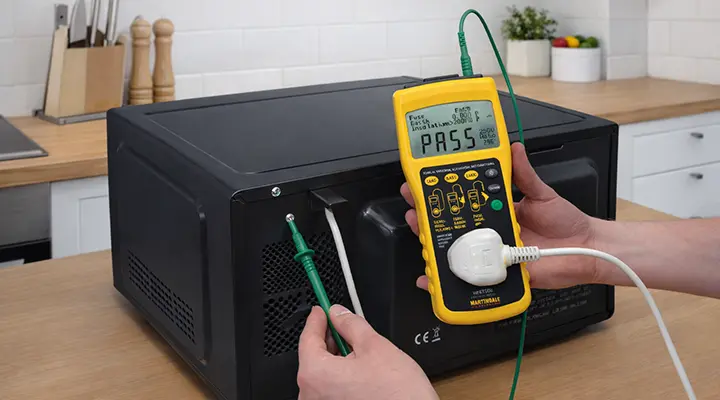

PUWER (Provision and Use of Work Equipment Regulations 1998) is UK health and safety legislation that requires employers to ensure work equipment is safe, suitable, properly maintained, inspected where necessary, and used only by trained and competent people.
At its heart, PUWER is built around a simple idea: the tools and equipment that help us do our jobs should not become the reason someone gets hurt.
What exactly is PUWER?
The regulations are designed to make sure equipment used at work is safe, suitable, and properly managed.
PUWER requires work equipment to be:
- Suitable for the task it is being used for
- Maintained in a safe condition
- Inspected where necessary
- Used only by people who have the right information, instruction, and training
- Provided with appropriate safeguards and safety features, such as guards and emergency stops
Think of PUWER as a safety framework around the equipment we rely on every day. Just as a vehicle needs servicing, safe roads, and a competent driver, workplace equipment needs the right care, checks, and users.
Why does PUWER exist?
Although workplace safety has improved significantly, work equipment still causes serious injuries and fatalities every year. According to the Health and Safety Executive (HSE), 126 workers lost their lives in work-related accidents in Great Britain during 2025/26, while thousands more suffered workplace injuries. Contact with moving machinery remains one of the leading causes of fatal accidents.
PUWER helps reduce these risks by requiring employers to provide suitable work equipment, maintain it properly, fit effective safety guards, and ensure only trained and competent people use it. Without these measures, equipment failures, poor maintenance, inadequate training, and unsafe working practices can quickly lead to preventable accidents. By setting clear legal standards, PUWER helps employers create safer workplaces and protect everyone who uses work equipment.
Who must comply with PUWER?
PUWER applies to anyone who has responsibility for work equipment, including:
- Employers who provide equipment for employees to use
- Self-employed people who use equipment as part of their work
- Anyone who has control over work equipment, such as those responsible for selecting, managing, maintaining, inspecting, or making decisions about how equipment is used
The duty is not limited to large companies or industrial workplaces. A small business, contractor, office, farm, workshop, or hospitality business may all have responsibilities under PUWER depending on the equipment they use.
While employers and those responsible for equipment have key duties under PUWER, everyone in the workplace has a role to play. Using equipment correctly, following instructions, and reporting problems or concerns all help prevent accidents.
What is work equipment under PUWER?
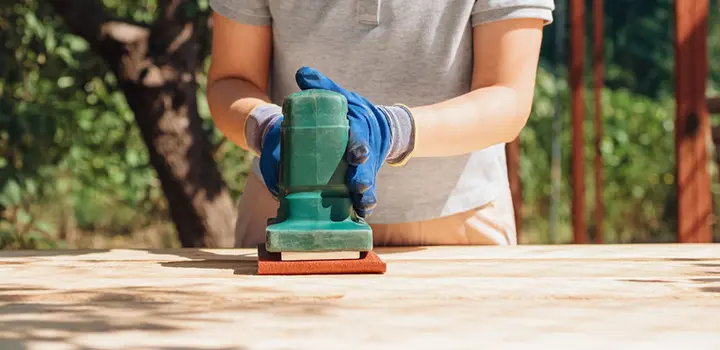
One of the biggest misconceptions about PUWER is that it only applies to large machines.
In reality, the definition of work equipment is very broad. PUWER covers any machinery, appliance, apparatus, tool or installation used at work.
The key question is not:
“Is this a large and obviously dangerous machine?”
The key question is:
“Is this equipment being used to carry out work?”
If the answer is yes, PUWER probably applies.
Examples of equipment covered by PUWER
Examples of equipment that may fall under PUWER include:
- Machinery: industrial mixers, workshop machinery, agricultural machinery, production equipment.
- Everyday appliances: kettles, microwaves, vacuum cleaners, portable heaters.
- Specialist apparatus: laboratory equipment, testing equipment, monitoring devices.
- Hand tools: hammers, screwdrivers, spanners, knives and cutting tools.
- Powered tools: drills, angle grinders, circular saws, sanders.
- Lifting equipment: forklift trucks, hoists, lifting platforms, slings.
- Installations: conveyors, production lines, extraction systems, access platforms.
- Vehicles used for work: forklifts, tractors, work vans, dumper trucks.
What is not covered by PUWER?
PUWER applies to equipment used in connection with work activities, regardless of who owns it. However, it does not cover everything that is present in a workplace or involved in carrying out a task.
Some examples of things outside the scope of PUWER include:
- Substances, such as chemicals, acids, or cement, which are covered by other regulations relating to hazardous substances and workplace safety.
- Permanent parts of the workplace, such as walls, stairs, roofs, or fences, which are considered part of the workplace rather than work equipment.
- Animals and livestock, such as cattle, sheep, pigs, and poultry.
How does PUWER relate to HASWA and other health and safety regulations?

PUWER does not sit alone. It is part of a wider system of workplace health and safety law.
The Health and Safety at Work etc. Act 1974 (HASWA) is the main piece of health and safety legislation in Great Britain.
HASWA places general duties on employers, the self-employed, and people responsible for workplaces to protect the health, safety, and welfare of employees and anyone affected by work activities.
This includes managing risks connected with workplace equipment.
A simple way to think about the relationship is:
HASWA sets the overall responsibility for keeping people safe. PUWER provides more specific requirements for how work equipment should be selected, maintained, inspected, and used safely.
Other regulations may also apply alongside PUWER depending on the equipment involved. For example, lifting equipment may also fall under LOLER (Lifting Operations and Lifting Equipment Regulations).
Consequences of not complying with PUWER
Failing to comply with PUWER can have serious consequences.
Poorly managed equipment can lead to:
- Workplace injuries or ill health
- Damage to equipment and property
- Disruption to business operations
- Enforcement action from regulators
- Prosecution and financial penalties
Beyond the legal and financial consequences, there is the human impact. A preventable equipment failure or accident can affect workers and their families.
Frequently asked questions about PUWER
Does PUWER apply to employees’ own equipment?
Yes. Equipment does not have to be owned by an employer to fall under PUWER.
For example, if a tradesperson brings their own tools to use during work, those tools may still be considered work equipment because they are being used for a work activity.
The important factor is not ownership. It is how and where the equipment is being used.
Does PUWER apply to equipment used away from the workplace?
Yes. PUWER is not limited to equipment used on an employer’s premises. It can also apply to equipment used remotely, at a customer’s site or at temporary workplaces. Work does not stop being work simply because it happens somewhere other than head office.
Does PUWER apply to small businesses?
Yes. PUWER applies to businesses of all sizes if they use work equipment.
What is the difference between PUWER and LOLER?
PUWER applies broadly to work equipment.
LOLER focuses specifically on lifting equipment and lifting operations, such as cranes, hoists, and lifting platforms.
Some equipment may fall under both regulations.
Final thoughts
PUWER is about making sure the equipment people use at work is safe, suitable, and properly managed.
Whether it is a large machine or a simple tool, safe equipment depends on the right equipment, the right checks, and the right people using it.
By following PUWER, businesses can reduce risks and help create safer workplaces.
Online PUWER Training Course
Understanding the requirements of PUWER is an important step towards creating a safer workplace, but employers also have a legal duty to provide appropriate information, instruction and training to anyone who uses, supervises or manages work equipment.
Our RoSPA-assured and CPD-certified Online PUWER Training Course provides employees, supervisors and employers with a clear understanding of the Provision and Use of Work Equipment Regulations 1998 (PUWER), their legal responsibilities, common workplace hazards, and the practical measures needed to reduce the risk of accidents involving work equipment.
The course takes approximately 1 hour to complete, is available 100% online, and allows learners to study at their own pace from any desktop, tablet or mobile device. On successful completion, learners can immediately download a certificate as evidence of training.
Find out more about our Online PUWER Training Course a simple, cost-effective way to help support compliance with workplace health and safety legislation.