



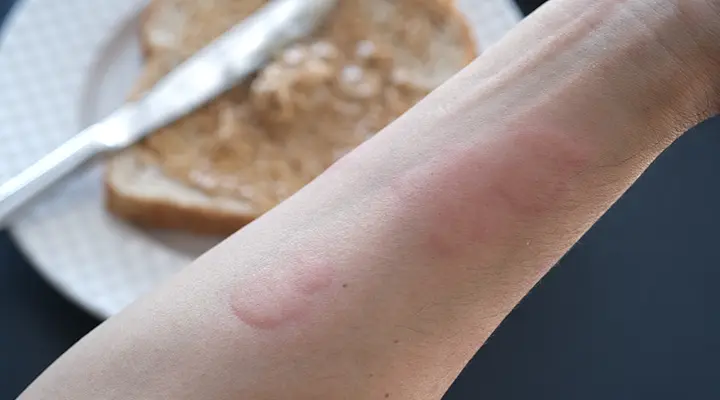
Food allergies occur when the immune system mistakenly identifies certain foods as harmful and reacts to them. Symptoms range from mild itching or hives to life-threatening anaphylaxis. Anyone experiencing difficulty breathing, swelling of the throat, or collapse should seek emergency medical help immediately.
Food allergies are becoming increasingly common. Allergies affect around 21 million people in the UK, and the World Health Organisation has described allergy as a “modern epidemic”. Understanding the symptoms and knowing how to respond quickly could save someone’s life.
What is a Food Allergy?
A food allergy occurs when the body’s immune system mistakenly identifies a protein in a food as a threat. When the food enters the body, the immune system overreacts and releases chemicals, including histamine, which trigger the symptoms of an allergic reaction.
Most food allergy symptoms appear within minutes of eating the trigger food, although they can sometimes take up to two hours to develop. The severity of symptoms varies from person to person, ranging from mild itching or swelling to a severe allergic reaction known as Anaphylaxis.
What is Anaphylaxis?
Anaphylaxis is a severe allergic reaction that requires immediate emergency medical treatment. It can develop very quickly and affect the airways, breathing, and circulation.
For more information about anaphylaxis and living with severe allergies, visit Anaphylaxis UK.
The most common Food Allergies

While any food can trigger an allergic reaction, a small number of foods are responsible for most cases. Common food allergens include:
- Peanuts
- Tree nuts (such as almonds, walnuts, and cashews)
- Milk
- Eggs
- Fish
- Shellfish
- Soy
- Wheat
- Sesame
Although these are the most common food allergens, almost any food can trigger an allergic reaction. Fruits, vegetables, seeds and spices can also cause food allergies in some people.
Food Allergy Symptoms
Food allergy symptoms usually develop within minutes to two hours of eating the trigger food.
Mild to moderate allergic reactions
Many food allergies cause symptoms that are uncomfortable but not immediately life-threatening. These may include:
- Itching or tingling in the mouth
- Swelling of the lips, face, or eyes
- Hives (a raised, itchy rash), redness, or itching of the skin
- An eczema flare-up
- Stomach pain
- Nausea or vomiting
- Diarrhoea
- Sneezing, a runny nose, or itchy, watery eyes
Mild allergic reactions can often be treated with an antihistamine if recommended by a healthcare professional. However, symptoms can sometimes become more serious, so anyone with a diagnosed food allergy should follow their allergy action plan. This is a written plan created with a healthcare professional that explains what symptoms to watch for, which medicines to take, when to use an adrenaline auto-injector (if prescribed), and when to call 999.
Anaphylaxis symptoms and signs
Anaphylaxis symptoms can develop within minutes and may become life-threatening very quickly. Recognising the warning signs, using an adrenaline auto-injector (if available), and calling 999 immediately can save a life.
Signs of anaphylaxis include:
- Swelling of the tongue or throat
- Difficulty breathing, noisy breathing, or wheezing
- A persistent cough
- Difficulty swallowing or a feeling that the throat is tightening or closing
- A hoarse voice or difficulty speaking
- Feeling dizzy, faint, or collapsing
- Confusion, becoming unusually sleepy, or losing consciousness
- Skin, lips, tongue, or gums becoming pale, grey, bluish, or darker than usual.
What to do during Anaphylaxis
If an adrenaline auto-injector (such as an EpiPen) is available:
- Use the auto-injector immediately.
- Call 999 immediately and explain that you suspect anaphylaxis.
- Help the person lie down and raise their legs if possible.
- If breathing is difficult, allow them to sit up slightly.
- If symptoms do not improve after five minutes and a second auto-injector is available, use it.
- Do not allow the person to stand or walk, even if they start feeling better. They need to be assessed by medical professionals.
Food Allergies in schools
Food allergies affect an estimated two children in every classroom, making effective allergy management an essential part of safeguarding in schools. Staff need to recognise the signs of an allergic reaction, understand how to reduce the risk of accidental exposure to allergens, and know how to respond quickly in an emergency.
Schools in England should also be aware of the latest Food Allergy Safety Guidance for Schools (often referred to as Benedict’s Law), which strengthens expectations around allergy management, staff training and emergency preparedness to help keep pupils with food allergies safe.
The guidance expects schools to have clear allergy policies, maintain accurate records of pupils with food allergies, ensure staff receive appropriate allergy awareness training, and have procedures in place for responding to severe allergic reactions (anaphylaxis). Schools are also expected to keep spare adrenaline auto-injectors (AAIs), such as EpiPens, available for emergency use where appropriate.
By following the guidance and ensuring staff understand their responsibilities, schools can reduce the risk of serious allergic reactions and create a safer, more inclusive environment for every pupil.
Scombroid poisoning: When fish mimics a Food Allergy
Did you know that eating fish can sometimes cause allergy-like symptoms, even if you don’t have a fish allergy?
When certain fish, such as tuna or mackerel, aren’t chilled properly after they’re caught, bacteria can produce high levels of histamine. Eating this fish can cause symptoms including flushing, a rash, headaches, nausea, vomiting, and stomach cramps. This is called scombroid poisoning, and because the symptoms can appear soon after eating, it’s often mistaken for a food allergy.
If you develop symptoms after eating fish, stop eating it and seek medical advice to find out whether you have a true fish allergy or another condition such as scombroid poisoning.
Allergy or Food Intolerance?
Food allergies and food intolerances are often confused, but they are very different conditions:
As we have just seen, a food allergy involves the immune system and can be serious or even life-threatening.
A food intolerance does not involve the immune system. Instead, it occurs when the body struggles to digest certain foods. Symptoms may include:
- Bloating
- Stomach discomfort
- Excess wind
- Diarrhoea
- Feeling generally unwell
Unlike allergies, intolerance symptoms may appear immediately or take several hours or days to develop.
What about Coeliac Disease?

Coeliac disease is neither a food allergy nor a food intolerance. It is an autoimmune condition triggered by eating gluten, a protein found in wheat, barley, and rye.
When someone with coeliac disease eats gluten, their immune system attacks the lining of the small intestine, which can lead to long-term damage and difficulties absorbing nutrients.
Because coeliac disease requires a different diagnosis and treatment approach, it’s important not to assume gluten-related symptoms are simply an allergy or intolerance.
How are Food Allergies diagnosed?
If you think you have a food allergy, you should speak to your GP. They may refer you to an allergy specialist for further assessment.
Diagnosis may include:
- Discussing your symptoms and medical history
- A skin prick test
- A blood test to measure allergy antibodies (IgE)
- An oral food challenge carried out under medical supervision if necessary
Do not try to diagnose yourself by deliberately eating foods that you think may trigger an allergic reaction, as this can be dangerous.
Are home food sensitivity tests reliable?
Many at-home food sensitivity kits claim to identify foods that may be causing intolerance symptoms. However, these tests are not considered reliable and are not scientifically proven to accurately diagnose food allergies or intolerances.
If you suspect a food is affecting your health, it’s best to speak with your doctor or an allergy specialist, who can recommend appropriate testing and advice.
Can Food Allergies develop later in life?
Although many food allergies begin during childhood, adults can also develop food allergies. Allergies to shellfish, fish and tree nuts are among the most common to develop later in life.
If you experience symptoms such as swelling, hives, difficulty breathing or stomach problems after eating a food you have previously tolerated, you should seek medical advice. Do not continue eating the food until you have been assessed by a healthcare professional.
Living safely with Food Allergies
For people with food allergies, careful food choices and preparation are essential. Reading ingredient labels, asking questions when eating out, and carrying prescribed medication can all help reduce risk.
People with food allergies should also be aware of cross-contamination, where tiny amounts of an allergen are accidentally transferred from one food or surface to another. This can happen during food preparation, cooking or serving, and is particularly important to consider when eating out or using shared kitchens.
Although food allergies cannot always be prevented, understanding the symptoms, avoiding trigger foods, and acting quickly during an allergic reaction can dramatically reduce the risk of serious harm. Whether at home, work, school, or when eating out, being prepared could save a life.
Further advice from the NHS
This article is intended for general information only and should not be used as a substitute for professional medical advice, diagnosis or treatment.
If you think you or your child may have a food allergy, or if you experience symptoms after eating certain foods, you should speak to your GP or an allergy specialist. If you suspect someone is having an anaphylactic reaction, call 999 immediately.
For trusted medical information about food allergies, including symptoms, diagnosis and treatment, visit the NHS Food Allergy page.
Online Food Allergen Awareness Training
Need Food Allergen Awareness Training? Our RoSPA-assured Food Allergen Awareness Course helps learners recognise food allergy symptoms, understand allergen management, reduce the risk of cross-contamination, and respond confidently to allergic reactions and anaphylaxis.
The course is completed entirely online and can be accessed on desktop, tablet or mobile devices. It takes approximately one hour to complete. The course is suitable for anyone who handles food, works with people who have food allergies, or is responsible for allergen awareness. Learners can study at their own pace and receive a certificate on successful completion.

If you prepare or serve food, our Food Hygiene Level 2 Course also explains safe food handling practices and practical measures to help reduce the risk of allergen cross-contamination.
Find out more about our online Food Allergen Awareness Course and help your organisation create a safer environment for people with food allergies.