



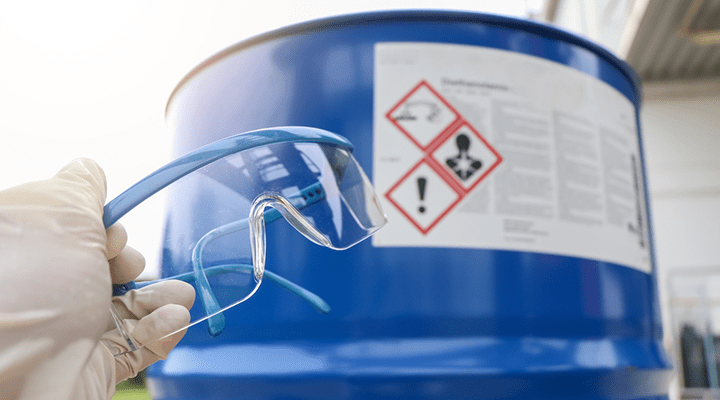
COSHH is a fundamental part of workplace health and safety, yet many people are unsure what it means or how it applies to their role. COSHH stands for Control of Substances Hazardous to Health and refers to the regulations that require employers to assess, control and reduce exposure to hazardous substances in the workplace. The aim of COSHH is to protect employees from work-related illness and injury caused by chemicals, dusts, fumes, vapours and other harmful substances.
In this guide, you’ll learn what the COSHH Regulations are, which hazardous substances they cover, the responsibilities of employers and employees, and why COSHH training is essential for maintaining a safe and compliant workplace.
Why Is COSHH Important?
COSHH is important because exposure to hazardous substances can cause serious health conditions, including asthma, dermatitis, respiratory diseases and certain cancers. The COSHH Regulations help employers identify risks, implement control measures and protect workers from preventable illness and injury.
By following COSHH requirements, organisations can improve workplace safety, reduce sickness absence, meet legal obligations and create a healthier working environment for employees, contractors and visitors.
What Hazardous Substances are covered by COSHH?
COSHH regulations apply to a wide range of hazardous substances that can pose a risk to health in the workplace. These include chemicals, products containing chemicals, fumes, dusts, vapours, mists and gases that employees may be exposed to during their work activities.
The regulations also cover biological agents such as bacteria, viruses, fungi and parasites, as well as nanomaterials. Nanomaterials consist of extremely small particles that can be inhaled or absorbed through the skin, potentially causing serious health conditions, including respiratory diseases and certain cancers.
Some hazardous substances may also present a fire or explosion risk. In these situations, employers may need to comply with the Dangerous Substances and Explosive Atmospheres Regulations (DSEAR) alongside COSHH. DSEAR applies to dangerous substances such as flammable liquids, gases, vapours and combustible dusts that could ignite and cause fires or explosions in the workplace. If your organisation works with these substances, our DSEAR Awareness Training Course can help employees understand how to identify and manage these risks safely.
It is important to note that COSHH does not cover lead, asbestos or radioactive substances, as these are governed by separate health and safety regulations. If your organisation requires asbestos training, we offer an IATP-approved Asbestos Awareness Course.
What do COSHH symbols mean?
COSHH symbols are used to identify hazardous substances and help employees understand the risks associated with chemicals and other dangerous materials. These warning symbols appear on product labels, safety data sheets and workplace signage.
There are nine internationally recognised COSHH hazard symbols used to identify substances that are flammable, corrosive, toxic, oxidising, hazardous to health or dangerous to the environment. Understanding these symbols is essential for anyone who works with hazardous substances, as they provide important information about safe handling, storage and disposal.
To learn more about COSHH symbols and their meanings, read our guide on the importance of COSHH training in the workplace.
Examples of Hazardous Substances in the Workplace
Hazardous substances are found in almost every workplace and can pose serious risks to health if they are not properly controlled. Common examples include cleaning chemicals, solvents, paints, adhesives, oils, fuels, dusts, fumes, gases and biological agents. Exposure to these substances can lead to respiratory diseases, skin conditions such as dermatitis, eye injuries and other long-term health problems.
Many everyday workplace products contain substances covered by COSHH. For example, bleach and disinfectants are commonly used in offices, schools and healthcare settings, while solvents found in paints, paint strippers and adhesives can release harmful vapours when used in poorly ventilated areas. Dust generated from activities such as woodworking, construction and baking can also present significant health risks when inhaled.
Some hazardous substances may also create fire and explosion risks in addition to health hazards. Flammable liquids, gases and combustible dusts may require employers to comply with both COSHH and DSEAR regulations to ensure employees are adequately protected.
To learn more about the most common workplace hazards and the control measures required under COSHH, read our guide on The COSHH Hazards Your Business Should Know.
COSHH Responsibilities for Employers and Employees
All employers must assess the risks to employees, visitors and the general public from hazardous substances used in the workplace. They must take action to reduce the possibility of harm as much as is reasonably possible.
Employees must follow health and safety procedures at work, report any concerns and use any personal protective equipment (PPE) provided. Employers should also ensure they understand the specific hazardous substances and risks present in their workplace. To learn more about common workplace hazards and the control measures required under COSHH, read our guide on The COSHH hazards your business should know.
What Is a COSHH Risk Assessment?
A COSHH risk assessment is a legal requirement under the COSHH Regulations. It involves identifying hazardous substances in the workplace, assessing the risks they pose to health, and implementing suitable control measures to reduce exposure.
A COSHH assessment should consider who may be harmed, how exposure could occur, the level of risk involved, and what steps are needed to protect employees. Control measures may include ventilation systems, safer working methods, personal protective equipment (PPE) and employee training.
Employers should regularly review COSHH risk assessments to ensure they remain effective and reflect any changes in workplace activities or substances used.
Who needs COSHH training?
COSHH regulations apply to virtually every workplace where hazardous substances are used, handled, stored or produced. This includes businesses of all sizes, self-employed individuals and organisations across a wide range of industries. Although COSHH does not apply to domestic use of hazardous substances in the home, it is still important to follow safe handling practices.
Anyone who may come into contact with hazardous substances at work should receive appropriate COSHH training. Managers and supervisors need to understand their legal responsibilities under the COSHH Regulations, while those responsible for carrying out COSHH risk assessments require more detailed knowledge of hazard identification, risk control and compliance requirements.
Employees also need COSHH awareness training so they can recognise workplace hazards, understand COSHH symbols, follow safe working procedures and use control measures correctly. Visitors and contractors should be informed of any relevant hazards and emergency procedures before entering the workplace.
COSHH online training provides a flexible and cost-effective way to ensure your workforce understands the risks associated with hazardous substances and their responsibilities for maintaining a safe working environment. Learners can complete the training at their own pace, making it ideal for busy organisations looking to improve workplace health and safety compliance.
COSHH Online Training Course
Ensure your employees understand their responsibilities under the COSHH Regulations with our RoSPA-assured COSHH Awareness Online Training Course. Designed for employees, supervisors and managers, this interactive course provides the knowledge needed to identify hazardous substances, understand workplace risks and comply with health and safety legislation.
The course covers COSHH Regulations, hazardous substances, COSHH symbols, risk assessments, control measures and employee responsibilities. On successful completion, learners receive a certificate and gain the knowledge needed to identify workplace hazards and work safely with hazardous substances.
Our online COSHH training allows learners to complete the course at their own pace, from any location and on any device. This flexible approach minimises disruption to your business while providing a cost-effective way to train individuals or entire teams.

Learn more about our COSHH Online Training Course and equip your team with the knowledge needed to comply with COSHH Regulations and work safely with hazardous substances.