



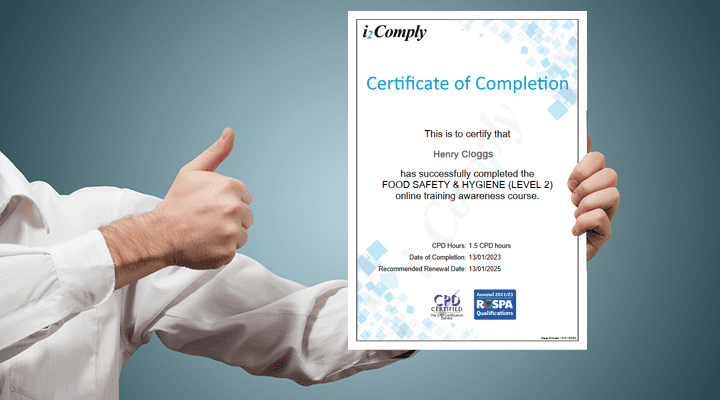
Your food hygiene certificate does not expire, as there is currently no legal requirement to renew a food hygiene certificate in the UK. However, due to the importance of food hygiene training and maintaining high food safety standards, it is widely recommended that individuals complete food hygiene refresher training every two years.
Regular food hygiene training helps ensure that food handlers, managers, and supervisors remain up to date with current food safety regulations, industry best practices, and legal requirements. For food businesses, providing ongoing food hygiene training is considered best practice and demonstrates a commitment to food safety, compliance, and customer protection.
By refreshing your food hygiene knowledge regularly, you can reduce the risk of food contamination, help prevent foodborne illnesses, and ensure food is prepared, handled, and served safely. Regular refresher training also helps businesses achieve the benefits of good food safety, including improved compliance, enhanced customer confidence, a stronger reputation, and a safer environment for both employees and customers.
Why you should renew your food hygiene certificate
There’s two main reasons why it is important to renew food hygiene training.
1. Prevent Bad Habits and Maintain Food Safety Standards
One of the main reasons to renew your food hygiene certificate is that knowledge and best practices can fade over time. Without regular refresher training, employees may develop poor habits or forget important food safety procedures, increasing the risk of food contamination and food poisoning.
According to the Food Standards Agency (FSA), there are approximately 2.4 million cases of foodborne illness in the UK each year. Food poisoning outbreaks can have serious consequences for food businesses, including customer complaints, negative online reviews, reputational damage, reduced customer confidence, and lost revenue.
Regular food hygiene training helps employees maintain a thorough understanding of safe food handling, food preparation, cleaning procedures, personal hygiene, and contamination prevention. Refresher training reinforces best practices and helps ensure that food served to customers remains safe and compliant with food safety regulations.
2. Keep Up to Date with Food Hygiene Laws and Regulations
Another important reason to renew food hygiene training is that food safety legislation and industry requirements regularly change. Without ongoing training, staff may be unaware of new legal responsibilities or updated food safety guidance.
A good example is Natasha’s Law, which came into force on 1 October 2021. The legislation requires food businesses selling pre-packaged for direct sale (PPDS) foods to provide full ingredient lists and clearly highlight any of the 14 regulated allergens on product labels.
Regular food hygiene refresher training ensures that employees understand the latest food safety regulations, allergen labelling requirements, and compliance obligations. It also provides business owners with confidence that their staff have the knowledge and skills needed to handle food safely, reduce the risk of foodborne illnesses, and protect both customers and the business.
By renewing your food hygiene certificate every few years, you can help maintain high standards of food safety, improve compliance, and demonstrate your commitment to protecting public health.
Therefore, regular food hygiene training keeps your staff up to date on the regulations and laws surrounding food hygiene. They are also reminded of best food hygiene practices, and how to reduce the risk of foodborne illnesses. You also have the peace of mind that your customers are being served food by trained staff.
Who needs food hygiene training?

The law requires all food handlers to have a basic understanding of the principles of food hygiene and know how to work safely when handling or preparing food.
Food hygiene level 1 – For Staff Handling Pre-Packaged and Low-Risk Foods
A Level 1 Food Hygiene Certificate is suitable for employees who work with pre-packaged, low-risk foods and have limited involvement in food preparation. Typical roles include waiters and waitresses, front-of-house staff, bar staff, food delivery drivers, retail assistants, and café workers selling pre-packed food and drinks.
Level 1 Food Hygiene training course provides a basic introduction to food safety, personal hygiene, contamination prevention, and legal responsibilities in the workplace. It is ideal for individuals who do not directly prepare or cook food but still require an understanding of food hygiene principles to support a safe food environment.
For roles involving food preparation, handling, or cooking, a Level 2 Food Hygiene Certificate is generally recommended.
Food hygiene level 2 – For Food Handlers and Food Preparation Staff
A Level 2 Food Hygiene Certificate is designed for anyone who directly handles, prepares, cooks, serves, or stores food as part of their job. This includes chefs, kitchen assistants, catering staff, bar staff serving food, and food handlers working in restaurants, takeaways, cafés, hotels, hospitals, prisons, schools, colleges, nurseries, and other food service settings.
Level 2 Food Hygiene training course is also recommended for childminders and childcare providers who prepare meals and snacks for children in their care. The course provides essential knowledge of food safety, personal hygiene, contamination prevention, allergen awareness, and food handling best practices to help meet UK food hygiene requirements.
If you regularly work with food, a Level 2 Food Hygiene Certificate is often the minimum training standard expected by employers and environmental health officers.
Food hygiene level 3 – For Owners, Managers and Supervisors
A Level 3 Food Hygiene Certificate is essential for business owners, managers, supervisors, head chefs, and team leaders responsible for managing food safety and supervising staff who handle food. This advanced food hygiene qualification is designed for those who oversee food preparation, implement food safety procedures, and ensure compliance with UK food hygiene regulations.
Level 3 Food Hygiene training course is suitable for professionals working in restaurants, cafés, pubs, takeaways, food trucks, school kitchens, nurseries, hospitals, prisons, colleges, charities, and other food service environments. If your role involves monitoring hygiene standards, conducting food safety checks, or managing HACCP-based systems, a Level 3 Food Hygiene Certificate can help you meet your legal responsibilities and maintain high food safety standards.
For a detailed breakdown of roles and responsibilities, read our guide on Who Needs a Level 3 Food Hygiene Certificate?
| Food Hygiene Level | Who It’s For | Typical Roles |
|---|---|---|
| Level 1 Food Hygiene | People who only handle pre-packaged or low-risk foods | Waiters, front-of-house staff, bar staff, delivery drivers, and café staff selling pre-packed food |
| Level 2 Food Hygiene | People who directly prepare, handle, cook, serve, or store food | Chefs, kitchen assistants, catering staff, childminders, and food handlers in restaurants, schools, hospitals, and nurseries |
| Level 3 Food Hygiene | Owners, managers, and supervisors responsible for food safety | Business owners, general managers, supervisors, head chefs, team leaders, and food safety managers |
Food Hygiene Certificate Renewal
Although a food hygiene certificate does not legally expire, regular refresher training is recommended to help food handlers stay up to date with current food safety regulations, industry best practices, and legal requirements. Renewing your food hygiene training can help reduce the risk of food contamination, improve compliance, and ensure food is prepared, handled, and served safely.
At i2Comply, we provide a range of RoSPA Assured and CPD Certified online food hygiene courses suitable for food handlers, supervisors, managers, and business owners. Whether you’re completing refresher training or gaining a qualification for the first time, our accredited courses help you maintain high standards of food safety and hygiene in the workplace.

Our flexible online food hygiene training courses include Level 1 Food Hygiene, Level 2 Food Hygiene, Level 3 Food Hygiene, and Food Allergen Awareness Training.
Designed for food handlers at all levels, these courses help businesses meet their legal obligations while promoting safe food handling practices.