Discounts Available For Bulk Purchases
| No. of total licenses | % saving |
|---|---|
| 1 - 9 | - |
| 10 - 19 | 10% |
| 20 - 49 | 20% |
| 50 - 99 | 25% |
| 100 - 199 | 30% |
| 200 - 499 | 40% |
| 500 - 999 | 50% |
| 1000 + | 60% |
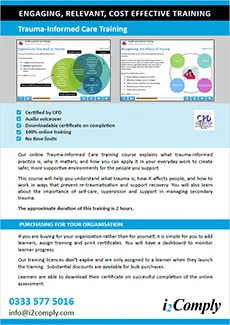
Click on the image below to download the Trauma Informed Care Training Online Flyer.
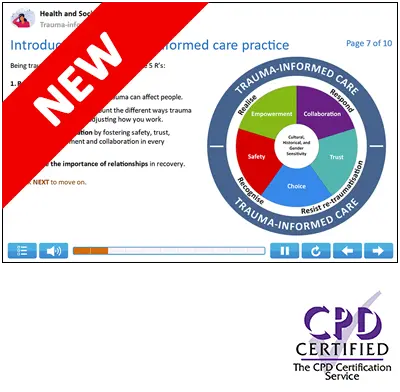
Trauma Informed Care Training Online
£22.00 + £4.40 VAT
- CPD certified
- Written in line with the NHS Education for Scotland Knowledge and Skills Framework for Psychological Trauma
- Audio voiceover
- Approximate course duration 2 hours
- Downloadable certificate on completion
- 100% online training
Our CPD-certified online trauma-informed care training helps professionals understand how trauma can affect people and their experiences of care and support. Learn to recognise trauma responses, communicate sensitively and apply approaches that reduce the risk of re-traumatisation.
Designed for people working in healthcare, social care, education and community services, this course explores how to build trust, offer choice and create more supportive interactions. It also covers staff wellbeing and the importance of recognising secondary trauma.
Complete this online trauma informed care course at your own pace in approximately 2 hours. After passing the assessment, you can download and print your certificate.
What is trauma-informed care practice?
Trauma-informed care is an approach that recognises the impact trauma can have on individuals and adapts care and support to avoid re-traumatisation.
Trauma-informed practice aims to adapt ways of working to create environments that feel safe, build trust and offer choice, collaboration and empowerment. Its goal is to support recovery and prevent re-traumatisation by understanding how past experiences shape present behaviour and needs. For further information read our article What is Trauma-Informed Care?.
Who should take Trauma-Informed Care Training?
This trauma informed care course is suitable for people whose roles involve caring for, teaching or supporting individuals who may have experienced trauma. It is particularly relevant to:
- Health and social care staff: healthcare assistants, care assistants and support workers.
- Mental health and wellbeing teams: mental health support workers, peer support workers, and crisis café staff and volunteers.
- Supported living and residential care teams: staff providing day-to-day care and support.
- Education staff: teachers, teaching assistants and pastoral support teams.
- Employment and benefits advisers: work coaches and staff helping people access employment or financial support.
- Frontline staff and volunteers: people supporting adults or children across community services.
It is also relevant to supervisors and managers who want to support trauma-informed approaches within their teams.
Accredited Trauma Informed Care Training
Our online Trauma Informed Care Training course is certified by the CPD Certification Service, supporting continuing professional development for people working in care, education and support roles.

What will you learn from this Trauma Informed Care Training?
After completing this trauma informed care course, you will be able to:
- Explain what trauma-informed practice means and why it matters in care and support settings.
- Recognise how common trauma is and identify factors that can increase vulnerability to traumatic experiences.
- Describe what trauma is and how it can affect the brain.
- Identify experiences that may lead to trauma and explain why people respond differently.
- Explain trauma triggers and how re-traumatisation can occur during everyday interactions with services.
- Recognise common trauma responses and understand how behaviours that appear challenging may be coping or survival responses.
- Describe the principles of safety, trust, choice, collaboration and empowerment.
- Identify communication approaches that support people affected by trauma.
- Explain secondary trauma and the role of self-care, supervision and organisational support in staff wellbeing.
Trauma-Informed Care Training – Course Preview
Trauma Informed Care Training – Example Course Pages
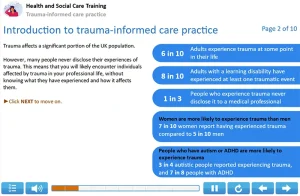
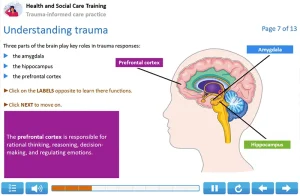
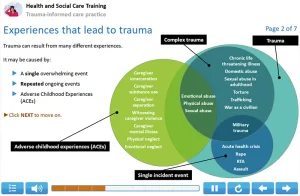
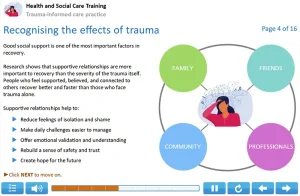
Preview sample screens from our online trauma informed care course to see how the training is presented. Clear explanations, images and tables introduce key concepts, while case studies, reflective questions and interactive activities help learners connect these ideas to everyday practice.
The course is organised into short, manageable topics, with professional audio to support learning.
(Click below to view example Trauma-Informed Care course screens.)
What does this Trauma-Informed Care online training cover?
This online trauma informed care course covers nine topics:
1 – Introduction to trauma-informed care practice
This topic introduces trauma-informed care and explains why it matters. You will explore how common trauma is in UK society and the barriers people affected by trauma may face when accessing care and support.
2 – Understanding trauma
This topic defines trauma and explores how it can affect the brain. It introduces the roles of the amygdala, hippocampus and prefrontal cortex, including their responses during and after traumatic experiences.
3 – The different experiences that can lead to trauma
This topic explores experiences that may lead to trauma, including single incidents, repeated traumatic events and adverse childhood experiences (ACEs).
4 – Recognising the effects of trauma
This topic explains why trauma affects people differently. You will explore its wide-ranging effects, the risk and protective factors that influence coping and recovery, and circumstances that can increase vulnerability to trauma.
5 – Trauma triggers and re-traumatisation
This topic explains trauma triggers and re-traumatisation. It explores how interactions and environments across healthcare, education, housing, employment and community services can unintentionally cause distress or remind people of traumatic experiences.
6 – Understanding trauma responses
This topic introduces common trauma responses and signs that someone may be experiencing one. You will learn how behaviours that appear challenging can reflect attempts to cope or feel safe.
7 – The key principles of trauma-informed care
This topic explores the five principles covered in the course: safety, trust, choice, collaboration and empowerment. You will learn practical ways to apply them in everyday interactions with the people you support.
8 – Trauma-informed communication
This topic explores communication approaches that support people affected by trauma. It covers active listening, responding with empathy, asking what support is needed and responding sensitively to trauma responses. You will also explore the shift from asking “What’s wrong with you?” to understanding what may have happened to someone.
9 – Staff wellbeing and support
This topic explains secondary trauma and how supporting people affected by trauma can influence staff wellbeing. You will explore warning signs, practical self-care strategies and the role of supervision and organisational support.
How is the Trauma-Informed Care course assessed?
Whether you are taking the course for the first time or completing refresher training, you will take an online assessment containing 20 multiple-choice questions. Questions are drawn from question banks, so they may vary between attempts.
Feedback explains the correct answers and helps you identify areas to review. You can retake the assessment as many times as needed, with unlimited attempts.
Trauma-Informed Care Training Certificate
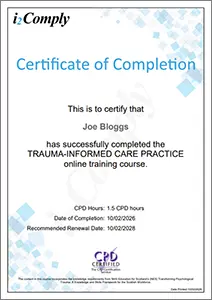
After passing the course assessment, you can download, save and print your Trauma-Informed Care Training certificate. It provides a record of successful course completion for your professional development and your organisation’s training records.
How long is my Trauma-Informed Care Training certificate valid for?
Your certificate has no fixed expiry date. We recommend completing refresher training every two years to maintain your understanding of trauma-informed approaches. A recommended renewal date appears on your certificate as a reminder.
You or your employer may identify a need to refresh your training sooner if your role or the needs of the people you support change.
Trauma-Informed Care Course Reviews
Read feedback from previous learners to help you decide whether this course is right for you or your team. Visit our Trauma-Informed Care course reviews page, or explore wider feedback about i2Comply on Reviews.io.
Already completed the course? Share your experience on the course reviews page or leave a Google review. Your feedback helps us improve the training and helps others make an informed choice.
Trauma-Informed Care Training FAQs
Trauma-informed practice is an approach that recognises how common trauma is and the different ways it can affect people. Rather than asking “What’s wrong with you?”, it asks “What happened to you?”
Trauma-informed practice aims to adapt ways of working to create environments that feel safe, build trust and offer choice, collaboration and empowerment. Its goal is to support recovery and prevent re-traumatisation by understanding how past experiences shape present behaviour and needs. For further information read our article What is Trauma-Informed Care?.
No. Trauma-informed practice is not trauma therapy.
Trauma therapy is delivered by trained clinicians who provide specialist psychological treatment for trauma symptoms.
Trauma-informed practice can be applied by any professional in any setting. It focuses on adjusting your everyday interactions and environment to avoid triggering trauma.
Trauma can create significant barriers that make everyday interactions challenging. People affected by trauma may struggle to feel safe, trust professionals, attend appointments, or engage with services.
When services aren’t trauma-informed, routine processes, being rushed, feeling powerless or not being listened to, can accidentally cause distress or trigger trauma responses.
Trauma-informed practice reduces these barriers by:
- Reducing re-traumatisation by avoiding situations that trigger trauma.
- Improving engagement so people feel safe enough to access and benefit from services
- Supporting recovery by creating conditions that promote healing rather than causing additional harm
- Building better relationships through trust and collaboration
- Reducing challenging behaviours by understanding that these are often adaptive coping responses
- Protecting staff wellbeing by helping you recognise and manage secondary trauma
A trigger is something that reminds a person’s brain and body of past trauma, causing distress or a strong reaction even when they are objectively safe.
Re-traumatisation happens when something in the present reminds someone so strongly of their past trauma that they feel like it’s happening all over again. This is especially likely in situations where they feel afraid, powerless, or unable to control what’s happening to them.
The five core principles of trauma-informed care are:
- Safety – Creating physically and emotionally safe environments
- Trust – Building reliability and consistency in all interactions
- Choice – Offering options and respecting preferences
- Collaboration – Working in partnership rather than doing things “to” people
- Empowerment – Supporting people to feel in control and recognising their strengths
These principles help reduce distress and support people to feel more in control of their care and recovery.
How can you apply this training in your role?
This online trauma informed care course encourages you to reflect on everyday interactions and consider how your approach can help people feel heard, respected and involved. To apply this practically, you would need to:
- Explain what happens next: give clear information before appointments, activities or care procedures to reduce uncertainty.
- Offer meaningful choices: involve people in decisions and respect their preferences wherever possible.
- Listen without blame: consider what may be behind a person’s response instead of making assumptions about their behaviour.
- Reflect on the environment: consider how routines, communication and surroundings may affect someone’s sense of safety.
- Seek support when needed: recognise your role’s boundaries and use supervision and organisational support.
Who can benefit from trauma-informed practice?
Trauma-informed approaches can support the people using a service, the staff delivering it and the organisation as a whole:
- For people using services, an emphasis on safety, choice and collaboration can help people feel listened to and more involved in their care and support.
- For staff, a shared understanding of trauma can support sensitive communication, reflective practice and awareness of wellbeing needs.
- For organisations, trauma-informed principles can guide reviews of policies, environments and working practices to make services more responsive to people’s needs.
Why choose our Trauma Informed Care Training?
Choose CPD-certified online training with practical examples and flexible access for individuals and teams.
- Self-paced learning: work through approximately two hours of training at a pace that suits you.
- Practical examples: explore case studies, reflective questions and interactive activities that connect the content to everyday situations.
- Audio support: professional audio accompanies the course content.
- Assessment feedback: explanations help you understand the answers and identify areas to review, with unlimited assessment attempts.
- Downloadable certificate: save and print your certificate after passing the assessment.
- Online access: complete the training without travelling to a classroom.
Related online training courses
We offer several Health & Social Care online training courses that complement trauma-informed practice:
- Dementia Awareness Online Course
- Safeguarding Adults Course (Level 2)
- Introduction to Safeguarding Children Online Course
- Advanced Safeguarding Children Course
We also offer online training courses in categories including fire safety, health and safety, food hygiene and regulatory compliance.
Have a Question About Trauma-Informed Care Training?
For help with course content, certificates, a demo or training for your team, call 0333 577 5017, email support@i2comply.com or complete the enquiry form below.
You can also visit our Help & Support page for answers about course access, accounts and purchasing training.
Request a Trauma-Informed Care Training Quote
Whether you need training for a small team or employees across your organisation, we can provide a quote tailored to your requirements. Tell us how many learners you need to train, and we’ll help you explore suitable options, including available bulk licence discounts.
£22.00 + £4.40 VAT
Discounts Available For Bulk Purchases
| No. of total licenses | % saving |
|---|---|
| 1 - 9 | - |
| 10 - 19 | 10% |
| 20 - 49 | 20% |
| 50 - 99 | 25% |
| 100 - 199 | 30% |
| 200 - 499 | 40% |
| 500 - 999 | 50% |
| 1000 + | 60% |
Related courses
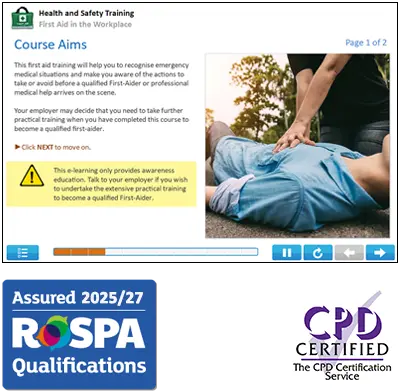
First Aid in the Workplace Course Online
Price£17.50 + £3.50 VAT
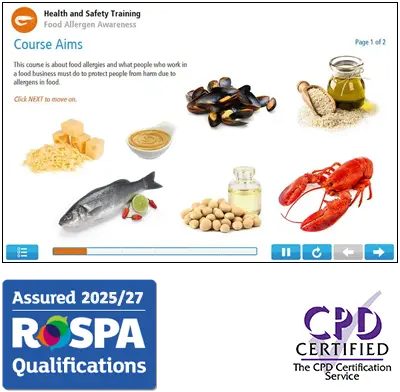
Food Allergen Awareness Training Online
Price£17.50 + £3.50 VAT
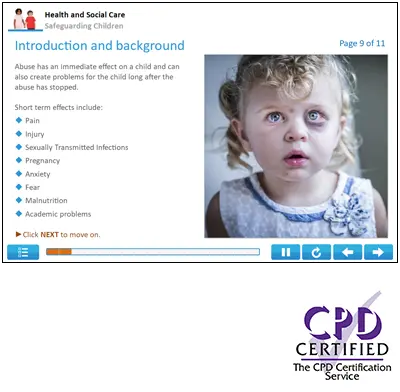
Safeguarding Children Level 1 Online Course
Price£17.50 + £3.50 VAT
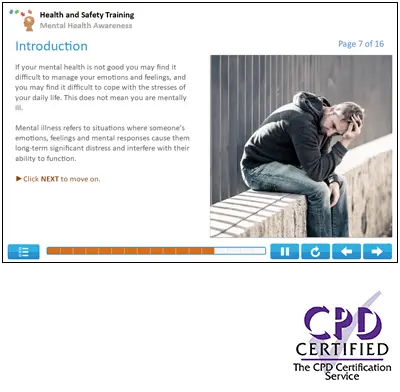
Online Mental Health Awareness Course
Price£17.50 + £3.50 VAT
